GenAI is Bringing Government Services to a Whole New Level
Generative AI is reshaping government operations, ushering in a new era of citizen-centric service delivery.

GenAI is Bringing Government Services to a Whole New Level
Generative AI is reshaping government operations, ushering in a new era of citizen-centric service delivery.



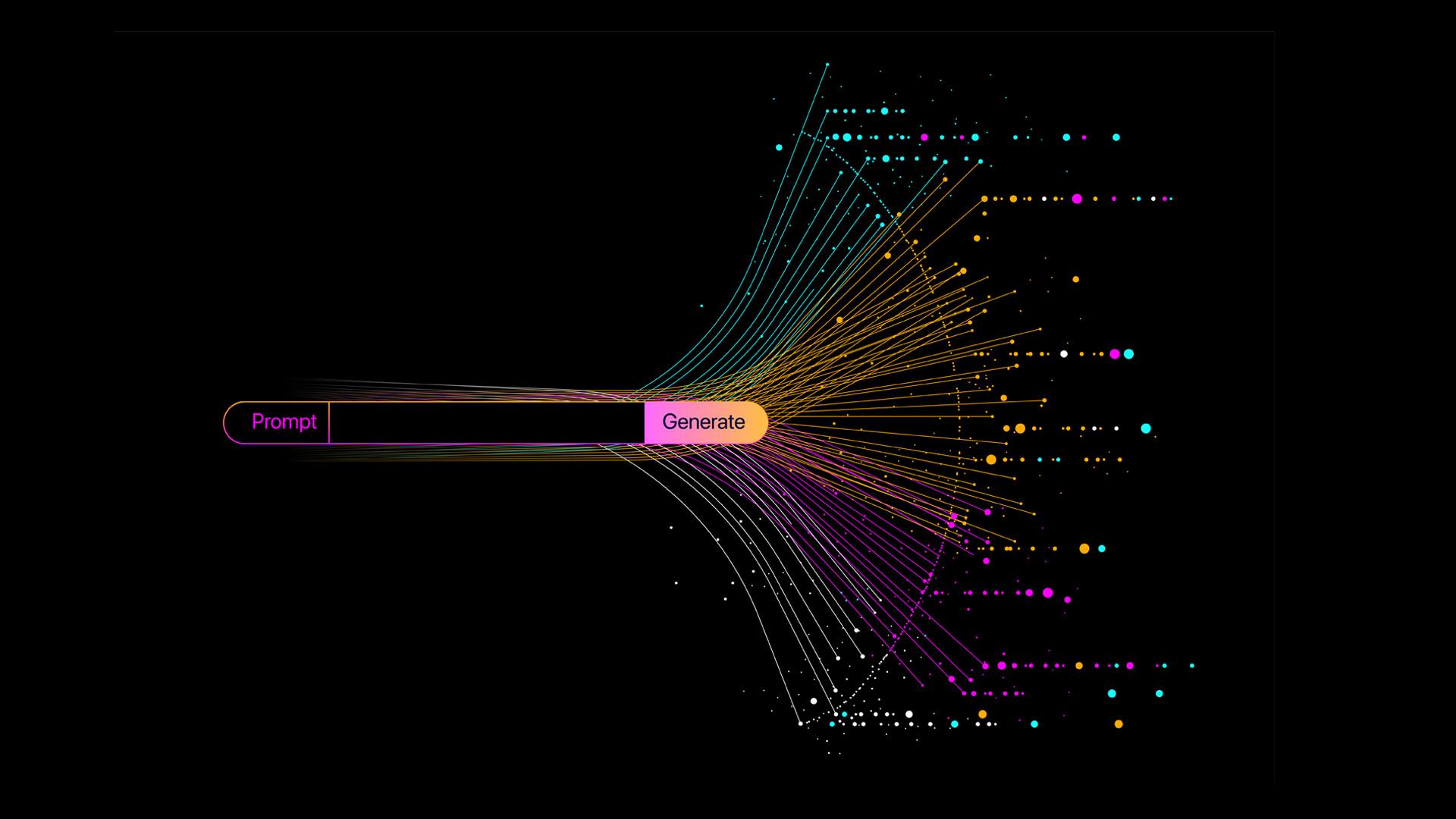
Artificial intelligence has evolved rapidly, and its latest frontier—Generative AI (GenAI)—is transforming how organizations operate. By enabling natural language interactions. While governments have historically been cautious adopters of new technologies, GenAI is bucking the trend. Public sector entities are now integrating AI at an accelerated pace. Why the shift in behavior? The answer lies in a combination of external pressures and internal opportunities, reshaping how governments serve their citizens.
How is GenAI improving Government Services?
By adopting GenAI, governments agencies are embracing a citizen-centric service development approach, addressing constituent needs more quickly and effectively. This helps in fostering trust and inclusivity. Here are some of the advantages of using GenAI that government agencies are already using:
Personalized assistance: Chatbots powered by GenAI provide instant, tailored responses to customer queries about taxes, benefits, or other services.
24/7 access: Services like licensing or passport information can be made available round-the-clock, reducing the need for people to go into government offices during working hours.
Inclusive communication: AI systems can support multiple languages and accessibility features, helping more citizens participate in civic matters and get assistance they need.
Simplifying legalese: GenAI helps summarize and translate government documents into plain language, making policies and laws more understandable.
Streamlined processes: GenAI helps automate repetitive tasks, such as data entry or document processing, freeing up human resources to focus on more complex issues.
Error reduction: AI minimizes human errors in administrative processes, ensuring greater accuracy in services like public health record-keeping and other places where data entry traditionally takes place.
Disaster response: GenAI can help predict and respond to natural disasters or emergencies by analyzing data and disseminating crucial information quickly to the people living in the danger zone.
Skill development: Governments can provide AI-driven learning platforms for skill-building, ensuring agencies stay competitive in an evolving and demand-driven job market.
Lessons from the Private Sector
Companies like Quantexa are demonstrating the power of using GenAI in other highly risk adverse environments such as global banking and financial institutions. At Quantexa, we are bringing our lessons learned and proven implementation models to help government entities meet their constituent's demands for better services. Plus, we are showing agencies how GenAI technology increases employee productivity by as much as 60%. Employees are more engaged and are embracing working with modern systems. They too have long been asking for tools that enable them to do their jobs better and with less frustration.
For example, Quantexa is helping the Belgian tax administration improve employee productivity by enabling data-driven decision-making through its Decision Intelligence (DI) Platform. This technology allows employees to work more effectively by automating repetitive tasks, such as routine data analyses and prioritizing high-risk cases. The platform’s data unification and entity resolution capabilities mean that tax officials can now access a single, contextualized view of taxpayers and organizations. This approach provides a clearer understanding of tax-related activities and identifies relationships that would otherwise require significant time to analyze manually.
Additionally, Quantexa’s DI Platform uses machine learning and advanced analytics to highlight risks, fraud, and potential non-compliance cases. This reduces the need for manual data handling and lets employees focus on more complex investigations, increasing efficiency and overall productivity in the tax administration’s operations. The platform also enables continuous learning from past cases, improving accuracy and effectiveness over time as patterns in tax behaviors become clearer.
By streamlining workflows and enhancing the capacity for critical decision-making, Quantexa’s support helps the Belgian tax administration achieve higher productivity while ensuring better allocation of employee time and resources for priority cases.
Why is government embracing GenAI now?
There are significant drivers influencing this change in government behavior, including:
1. Rising constituent expectations
Governments can no longer afford to resist change. Citizens, accustomed to the seamless digital experiences provided by the private sector, demand similarly intuitive and efficient services from public agencies. Coupled with pressure from lawmakers and budget committees, this demand is driving rapid adoption of AI-powered solutions.
2. Advancements in technology
For years, governments have been implementing web services and mobile apps to improve accessibility and usability. But AI takes innovation to the next level. With GenAI, agencies can deliver proactive, personalized services that go beyond basic functionality, empowering teams to work smarter and faster."
3. Competition for talent
There are not enough AI experts to go around. Once the government benefits packages were highly sought-after, but now talented programmers and data scientists can almost name their own price. Governments are having to compete for younger people with skillsets needed to operate modern AI-based solutions, as well as those who will be business users of these AI applications.
4. Cost-effectiveness
The old skillsets that kept the government services running are outdated and are too expensive to maintain. It's not untypical for an IT shop to spend more than 2/3 of their IT budget on Operations and Maintenance (O&M). Not only are knowledgeable resources to keep these systems running becoming scarce, but even the Original Equipment Manufacturers (OEMs) don't want to upkeep these old technologies. It's finally agreed it is time to move onto modern platforms.
A positive future lies ahead
The move for agencies to embrace AI and GenAI ultimately is a positive advancement for the country, for its people, and for the government itself. As focus shifts to making government more effective and efficient, AI-based capabilities are essential to achieve alignment with how customer services are developed and delivered in the private sector.
Government has the advantage of building upon the experience and lessons learned to catapult outdated legacy systems for processing and human-heavy service models. Everyone benefits!